

Some Things Need Explanation and Clarification!

From The Director's Desk
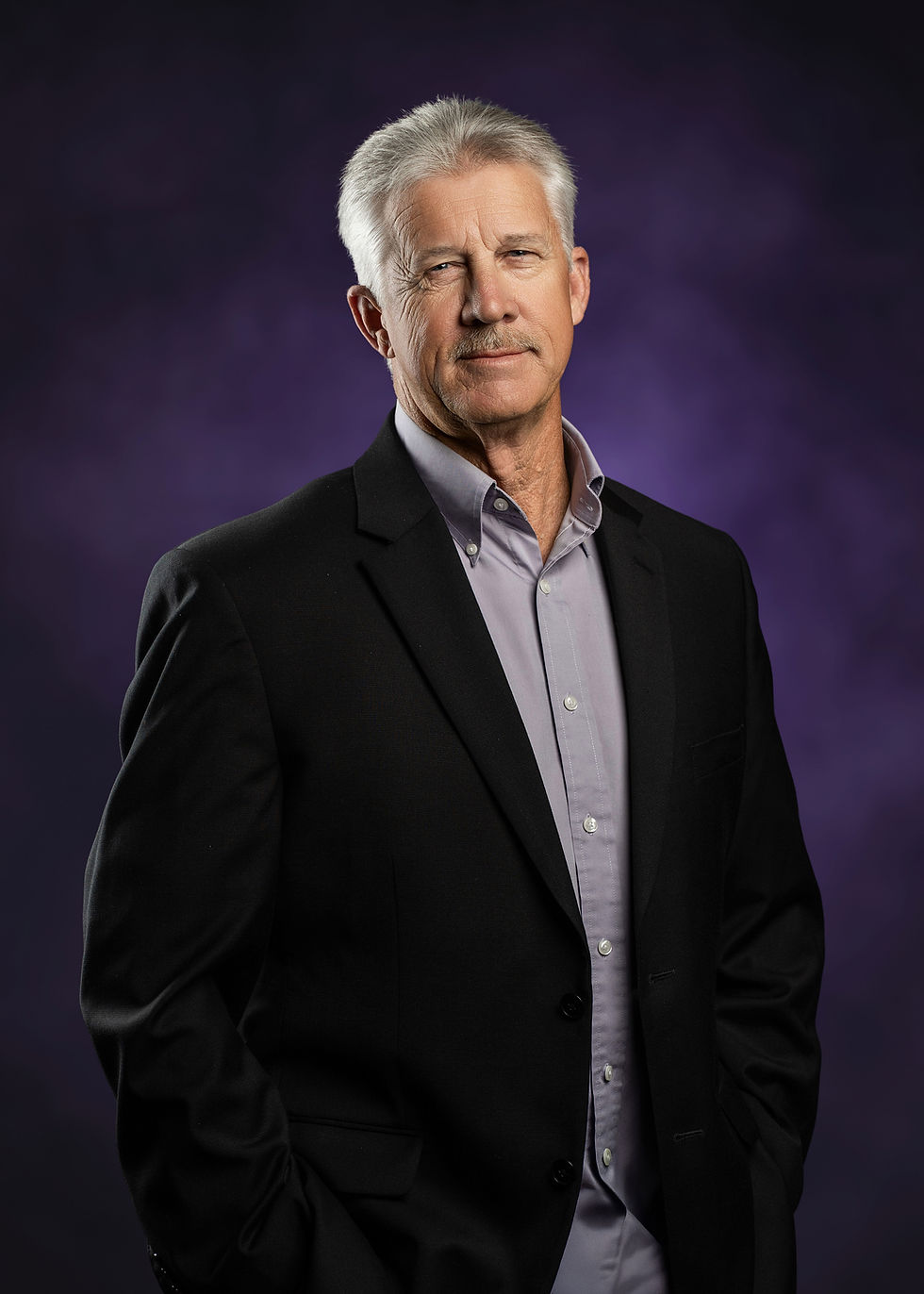
Dr. Terry Norris

I have always been questioned on why I work with churches, politicians and differing Christian individuals all at the same time doing work for God. I have been openly criticized for my evangelistic efforts being intertwined so much with many of these I have been questioned about. I see Emerge as a strictly Christian evangelistic organization. I as Executive Director and an individual operate ideologically from a Biblical World View. As I read the David Lane article below, I saw myself reflected in it. The summation of the two people, Rubio's calculated and audience specific speech and Os Guinness work on Christianity in the public sphere has defined my thoughts for many years. Also, King Solomon on governing oneself from a Biblical stance. Just recently I have seen in social media where it may becoming more acceptable to express my concerns for the stability of the US in the terms expressed below by David Lane. The article below by David Lane at a minimum is a great read for Christians so we may pause and rethink this statement. To stand by and do nothing is to do something!
"Rubio asks whether Western civilization still possesses the courage to defend itself. Guinness presses further: Does it possess the Biblical wisdom, moral character, and self-restraint necessary to preserve its inherited liberty?"
Athens, Mount Sinai, and the Foundations of Western Civilization
U.S. Secretary of State Marco Rubio's speech last week overlooking the Acropolis[1] raised one of the defining questions of our time: Does Western civilization still possess the courage, conviction, and will to preserve itself?
His remarks centered on the Greek word thumos (θυμός)—spirit, courage, passion, indignation, and the determination to act amid civilizational decline, national complacency, and the erosion of the West's resolve to defend the principles, institutions, and traditions that made Western civilization possible.
Rubio's address drew considerable attention and earned enthusiastic praise, including The Wall Street Journal's description of it as the “speech of the year,” while others questioned its historical and philosophical foundations.
Historian Joseph Loconte, whose scholarship explores Christianity's influence on Western civilization, political liberty, and the American Founding, wrote in National Review that Rubio was right to challenge those who belittle the West's achievements.
Yet Loconte argued that Rubio's account overlooked the transformational influence of the Judeo-Christian heritage and the Biblical worldview that shaped Western civilization: the belief that man was created in the image of God, alienated from his Creator, and that God has a redemptive purpose for humankind. As Loconte concluded, “Without these beliefs, Western civilization would not exist.”[2]
Most of America's Founders, including Benjamin Franklin and Thomas Jefferson, whose theological convictions differed from orthodox Christianity, understood that a virtuous and moral citizenry was indispensable to liberty and self-government. They recognized that no Constitution, however wisely framed, could preserve freedom among a people unwilling to govern their own appetites, ambitions, and passions.
Herein lies the distinction between Rubio's appeal to Greek thumos and Os Guinness's emphasis on the Biblical foundations of Western civilization, which we examined in August.[3]
Rubio takes us to Athens, where courage, ambition, and determination were celebrated as qualities of greatness. Guinness takes us further back, to Mount Sinai, where God revealed a moral law governing human ambition, political authority, and the conduct of rulers and nations.
The distinction is consequential. Athens celebrated the courage to conquer; Mount Sinai established the moral obligation to govern oneself. Although Greek philosophers recognized the importance of virtue and self-restraint, Scripture grounded moral authority in the character of God and the authority of His commandments.
Solomon established the governing principle: “Righteousness exalteth a nation: but sin is a reproach to any people” (Proverbs 14:34).
A nation's glory lies in the righteousness of its people, not in its Gross Domestic Product or military prowess.
When moral character, virtue, and self-restraint give way to corruption, lawlessness, and unrestrained self-interest—as witnessed during the cultural upheavals of the 20th century—liberty itself is imperiled.
Proverbs 16:32 sharpens the distinction: “He that is slow to anger is better than the mighty; and he that ruleth his spirit than he that taketh a city.”
Old Testament scholar Dr. Bruce K. Waltke emphasizes the need to govern one's unruly spirit when provoked. Rather than retaliating for a wrong suffered, the wise man exercises restraint, overlooking an offense instead of allowing anger to dictate his response.
Solomon's point is unmistakable: The man who conquers his own spirit accomplishes something greater than the warrior who conquers a city.
A nation may have the military might to subdue its enemies, the economic power to dominate international markets, and the political ambition to extend its influence across the globe, yet lack the moral discipline to govern itself.
Rubio asks whether Western civilization still possesses the courage to defend itself. Guinness presses further: Does it possess the Biblical wisdom, moral character, and self-restraint necessary to preserve its inherited liberty?
Athens reminds us that civilization requires courage. Mount Sinai reminds us that courage must answer to a moral authority higher than itself.
One final illustration brings the matter closer to home.
Before Rubio delivered his address, CBS News correspondent Olivia Gazis questioned him about The Wall Street Journal's allegations involving U.S. Ambassador to Greece Kimberly Guilfoyle.
Rubio declined to address the allegations at the Athens press conference, explaining that foreign soil was not the appropriate forum. Questioned the following day again, he challenged reporters' reliance on unverified allegations: “It's not the gospel for me. That's not the way we do things.”
Rubio, you may remember, served in the Florida House from 2000 to 2008, became its first Cuban American Speaker, then represented Florida in the U.S. Senate from 2011 to 2025, and later became Secretary of State. His name will undoubtedly figure in conversations about 2028.
But the question transcends all negativity" (my insight, about the subject of Kimberly Guilfoyle she is of no consequence to the larger issue at hand."
America's crisis is not simply political, economic, or military. It reaches into the homes, churches, schools, and institutions shaping the next generation.
What we're doing is spiritual; the by-product is political.
For what good is the power to conquer the world if we have lost the wisdom to govern ourselves?
The Founders understood what Solomon taught: A people who cannot govern themselves will eventually invite others to govern them, forfeiting the freedoms their forefathers labored to secure.
Gideons and Rahabs have finally begun to stand.
David Lane
American Renewal Project

Comments